The Global Imperative

1.6 Bio

Hectares of
Degraded Land

This is not merely a conservation issue. Land degradation is a massive humanitarian crisis and a systemic risk to global stability , directly destroying the resilience and livelihoods of over 3 billion people worldwide every single day.

EXPLORE THE SYSTEMIC IMPACT
Systemic Risk

The Domino Effect
on Global Stability

01. Food & Water

Over 60% of degradation occurs on agricultural land, placing direct pressure on food security and eroding natural water cycles.

02. Economic Collapse

Reduced agricultural productivity directly destroys rural livelihoods, turning an environmental issue into a systemic macroeconomic risk.

03. Climate Migration

The collapse of local economies forces mass population displacement. Scalable restoration is critical to preventing widespread geopolitical instability.

The Opportunity

Epicenter of Restoration:
Indonesia.

24 - 48 Million

HECTARES OF DEGRADED LAND

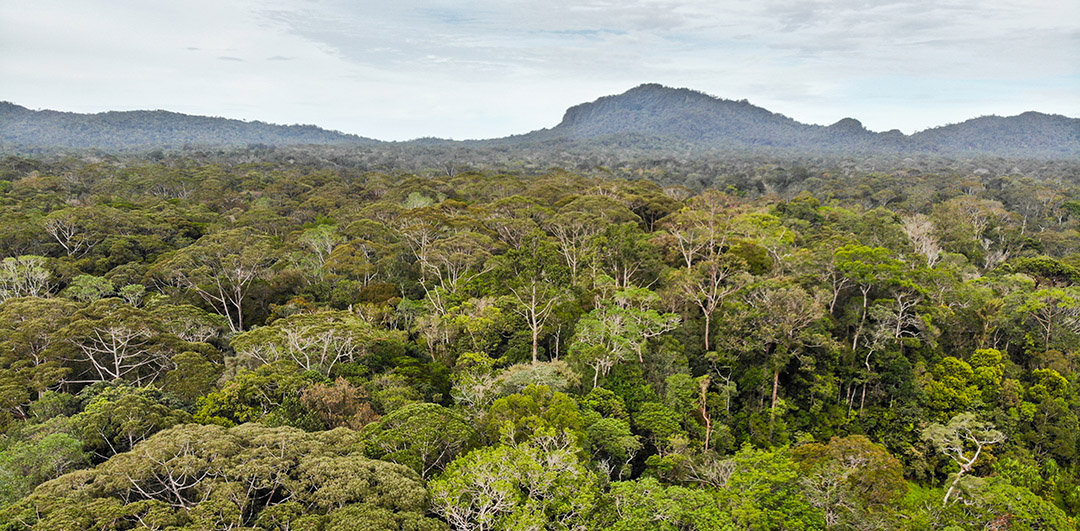
Amidst the global climate crisis, Southeast Asia—specifically Indonesia—holds the world's largest natural mitigation potential.

With tens of millions of hectares of unproductive land, Indonesia offers boundless room to restore the vital functions of tropical rainforests, mangrove ecosystems, and peatlands, acting as crucial carbon sinks for the planet.

Redefining Value

From Environmental Liability
to a New Asset Class.

For decades, degraded land has been viewed merely as a sunk cost and a commercial burden. Bumi Nexus is here to shift that paradigm. This presents a compelling investment notion: degraded land is not just an environmental liability—it is an underutilised asset class.

With the right restoration, carbon, and sustainable land-use strategies, these landscapes can be transformed into productive ecosystems, scalable carbon sinks, and resilient economic engines.

Old Paradigm Sunk Cost & Environmental Liability
New Paradigm Yield-Generating Asset Class

Take Action

Discover our strategic solutions.

Explore Solutions